The market for League of Legends accounts is full of scammers, bot farms, and sellers who'll happily take your money and leave you with a banned account two weeks later. Here's how to tell the difference between a legit seller and one that'll cost you more than just cash.
Let's get something out of the way first: buying a League of Legends account is against Riot's Terms of Service. That's the reality. But millions of players do it, and the difference between getting banned in a week and playing for years comes down to one thing — where you buy from.
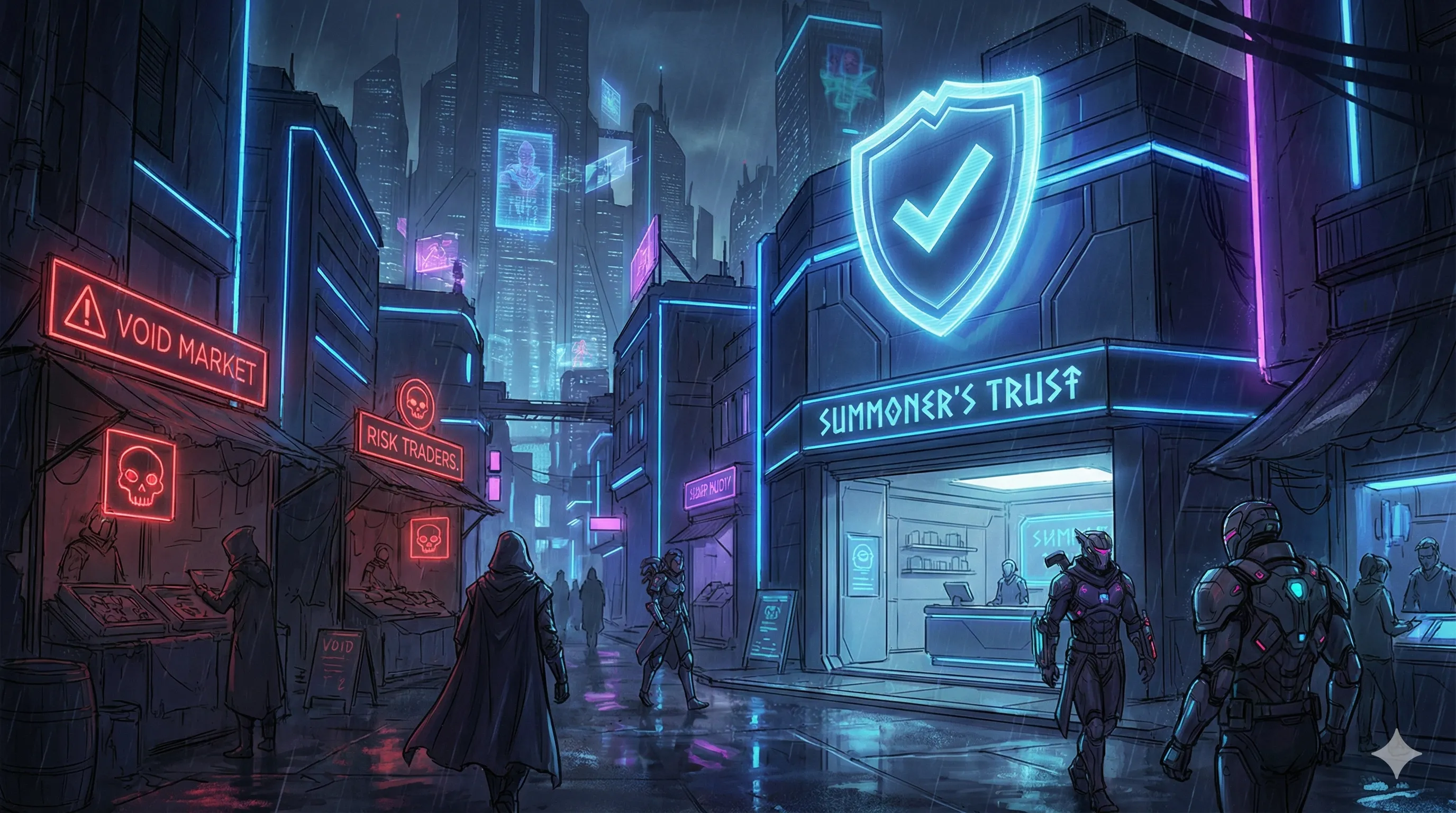
The LoL account seller market in 2026 is a minefield. Discord servers selling $2 accounts. Sketchy websites with no reviews. Random dudes on Reddit promising "hand-leveled, totally safe" accounts that were actually botted on a flagged server farm in Southeast Asia. And with Vanguard running at kernel level, the consequences of buying from the wrong seller aren't just a banned smurf — it's a potential HWID ban that bricks every account on your PC.
So how do you actually tell who's legit? Here's what to look for and what to run from.
The Red Flags: Run Away From These Sellers
If you see any of these, close the tab. Don't think about it. Don't convince yourself "it'll probably be fine." It won't be fine.
The HWID risk is real. If you log into a "dirty" account — one that was leveled on a flagged hardware range — Vanguard can "ink" your machine. It tracks your disk serial, motherboard UUID, MAC address, and even your monitor's EDID. Get too many associations with banned accounts and Riot issues a hardware ban. Every account you touch on that PC from that point forward gets banned. Including your main.
What Good Sellers Actually Look Like
Now that you know what to avoid, here's what separates a seller you can trust from one that'll ruin your week.
They Have Real, Verifiable Reviews
Not testimonials on their own site — actual third-party reviews. Trustpilot, Google Reviews, or a presence on review aggregators where they can't delete negative feedback. A seller with 500+ reviews and a 4.5+ rating has earned that through years of not scamming people. That's hard to fake.
Look at the negative reviews too. Every seller gets some. The question is how they respond. Do they replace accounts? Do they actually have customer support? Or do they ghost people?
They Offer a Lifetime Warranty
This is the single biggest indicator of a legitimate seller. A lifetime warranty means: if the account gets banned for reasons outside your control (bot detection, flagged leveling, Vanguard wave), they replace it. Free.
Think about what that means from the seller's perspective. If their accounts were getting banned constantly, a lifetime warranty would bankrupt them. The fact that they can offer it and stay in business means their ban rate is low enough to absorb the occasional replacement. It's a confidence signal.
Read the warranty terms carefully. A good warranty covers bans from bot detection, flagged accounts, and Vanguard waves. It should NOT cover behavior bans — if you get banned for being toxic, inting, or scripting, that's on you. Any seller who claims to cover behavior bans is lying or hasn't thought through their business model.
They Sell Aged Accounts
This is the technical differentiator that most buyers don't understand. An "aged" account is one that was leveled and then rested for 30-90+ days before being sold. During that resting period, the account survives multiple mini ban waves. If it's still alive after three months of dormancy, it's passed Vanguard's most aggressive checks.
Fresh accounts — leveled today, sold tomorrow — haven't been tested against anything. You're the guinea pig.
They Let You Change the Email
If a seller delivers an account but won't let you change the email address, that's a recovery scam waiting to happen. They sell you the account, you play on it for a month, dump some RP into skins, and then they recover it through email and sell it again. Rinse and repeat.
A legitimate seller gives you full access: email change, password change, everything. The account becomes yours completely.
The Comparison: Cheap vs. Reputable Sellers
Here's what you're actually choosing between:
| Factor | 🛑 Cheap Seller ($2-5) | ✅ Reputable Seller ($8-20+) |
|---|---|---|
| Leveling Method | Mass-botted on flagged IPs | Varied methods with behavioral randomization |
| Account Age | Fresh — leveled this week | Aged 30-90+ days, survived ban waves |
| Warranty | None — seller disappears | Lifetime replacement warranty |
| Email Access | Shared or locked | Full email change available |
| Ban Rate | High — expect weeks, not months | Low — most accounts last indefinitely |
| HWID Risk | Significant — flagged hardware chains | Minimal — clean hardware profiles |
| Support | Discord DM (maybe) | Website, email, live chat |
| Reviews | None or self-posted | Hundreds on third-party platforms |
The $2 account isn't cheaper. It's more expensive — because you'll buy it, lose it in two weeks, buy another, lose that one too, and eventually get your hardware flagged. Then you're buying a new motherboard. The "expensive" account from a reputable seller is the one you buy once and play on for years.
What to Do After You Buy
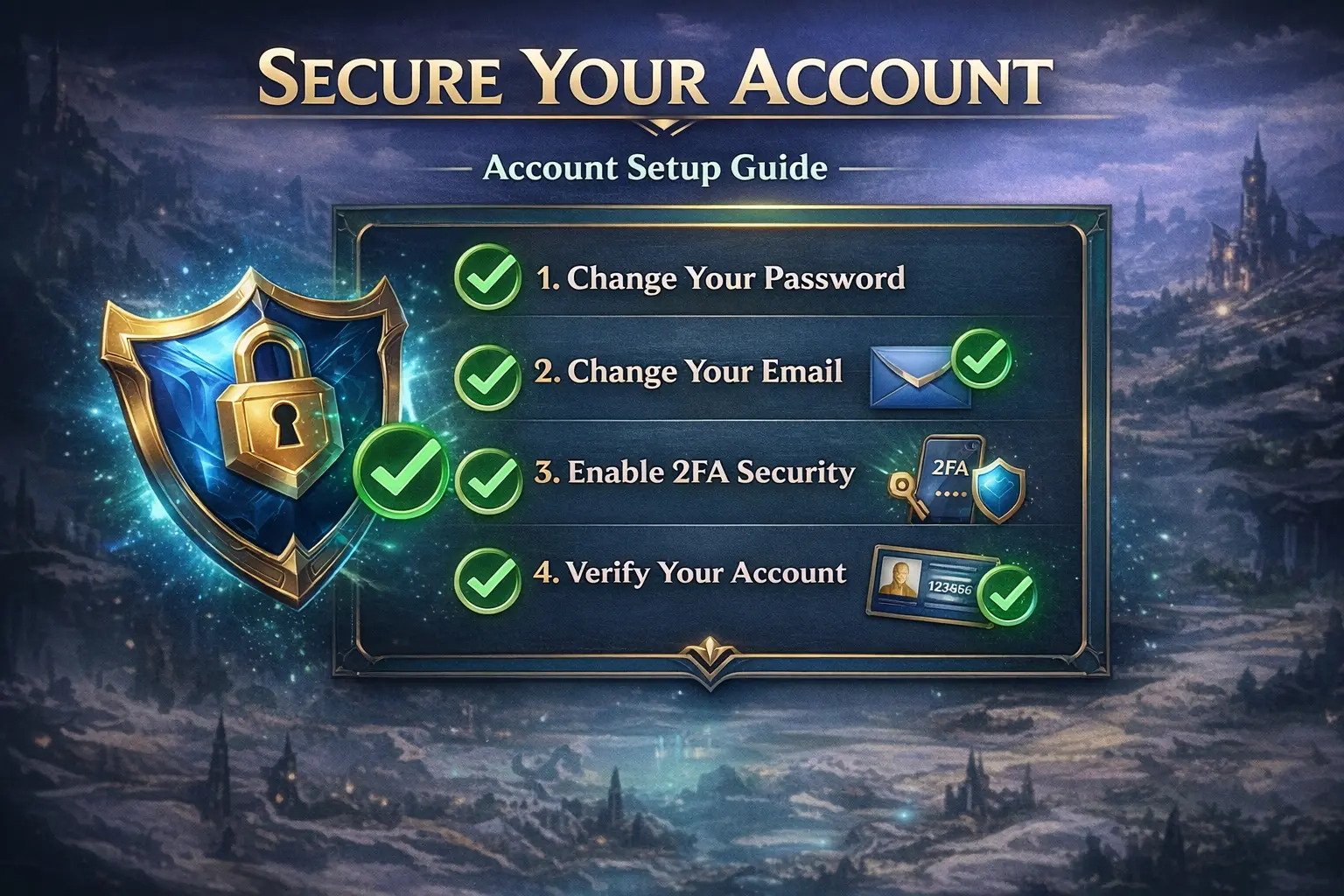
Even from a good seller, there are steps you should take immediately after purchase to lock down the account.
How to Check if a Seller is Legit (The 5-Minute Test)
Before you hand over any money, run through this quick checklist:
1. Google "[seller name] reviews" — if nothing comes up, or only their own site appears, that's a problem 2. Check Trustpilot — search for the seller. Look at the review count, rating, and how they handle complaints 3. Look for a warranty page — if they don't explicitly state their warranty terms on their website, they probably don't have one 4. Check how long they've been around — use the Wayback Machine (web.archive.org) to see when their site first appeared. A seller that's been operating for 3+ years has survived multiple Vanguard updates and ban waves 5. Test their support — send a question before buying. If they take 3 days to respond to a pre-sale question, imagine how they'll handle a post-sale problem
The trust formula is simple: Years in business + third-party reviews + lifetime warranty + aged accounts + email changeable = a seller worth buying from. If any of those are missing, keep looking.
A Note on Vanguard in 2026
The account market has changed dramatically since Vanguard went kernel-level. The old days of buying $2 accounts from eBay and playing on them for months are gone. Vanguard doesn't just check if you're scripting — it fingerprints your hardware, tracks behavioral patterns, and runs delayed bans that can hit weeks after you start playing.
This is why seller quality matters more than ever. A seller who understood the pre-Vanguard market but hasn't adapted their methods is selling you accounts that will get caught. The sellers who've survived are the ones who invested in aging processes, behavioral randomization, and clean hardware profiles.
If you want the full technical breakdown of how Vanguard works and why account quality matters, read our Vanguard safety guide. It covers Ring 0, hardware fingerprinting, the 30-day aging rule, and PC hygiene practices.
The Bottom Line
Buying a LoL account is a risk. That's the honest truth. But it's a manageable risk if you buy from the right place. The difference between a $2 Discord account and a properly aged account from a reputable seller is the difference between a two-week rental and an account you'll play on for years.
Don't cheap out. Don't buy from random Discord servers. Don't convince yourself that the sketchy site with no reviews is "probably fine." Your hardware ID is worth more than the $10 you'd save.
Check the reviews. Check the warranty. Check the aging. And if something feels off, trust your gut and keep looking.
4.8★ From 1,000+ Verified Customers
Aged accounts. Lifetime warranty. Full email access. Operating since Season 9.
Frequently Asked Questions
How do I know if a LoL account seller is legit? Check for third-party reviews on Trustpilot or Google (not just testimonials on their own site), a clearly stated lifetime warranty, aged accounts, and the ability to change the email after purchase. If a seller has been operating for 3+ years with hundreds of positive reviews, they're likely legitimate.
What's the biggest risk of buying from a cheap seller? Hardware bans. If you log into an account that was leveled on flagged hardware, Vanguard can "ink" your PC — tracking your disk serial, motherboard UUID, and MAC address. Get too many associations with banned accounts and every account you touch on that machine gets banned, including your main.
Why are aged accounts safer than fresh ones? Aged accounts have been rested for 30-90+ days after leveling, meaning they've survived multiple Vanguard mini ban waves. If an account is still alive after three months of dormancy, it's passed the most aggressive automated checks. Fresh accounts haven't been tested against anything.
Should I change the email and password after buying an account? Absolutely — do it before you even log into the game client. Changing the email prevents the seller from recovering the account later, and a unique password secures it. Also enable two-factor authentication through your Riot account settings.
Is a lifetime warranty actually worth anything? Yes, if it's from a reputable seller. A lifetime warranty means the seller replaces your account for free if it gets banned for reasons outside your control (bot detection, Vanguard waves). The fact that a seller can offer this and stay profitable means their ban rate is low enough to absorb replacements — that's a strong confidence signal.
Can I get my main account banned by logging into a bought account? Potentially, yes. If the bought account was leveled on flagged hardware, Vanguard can associate your PC with that flagged chain. This is why buying from reputable sellers with aged, clean accounts matters — it's not just about the smurf, it's about protecting your main and your hardware.